Built Intelligence

Construction Risk Governance

Turning built assets into information you can govern.

BIM, digital twins, reality capture and collaborative delivery are mature technologies. What decides whether a project gets the value out of them is governance — who owns which information, in what state, under what contract.

See the work Read the methodology

Digital Delivery

Structuring the information a project produces so it survives handover and serves the asset for its whole life.

Delivery & Risk

Where contractual risk actually sits across IPD, CMAR and Progressive Design-Build — and how schedule exposure follows from that choice.

Construction Technology

Reality capture, robotics, machine learning and capital analysis — and the governance questions that decide whether any of it gets adopted.

What this work covers

Six areas, each grounded in graduate technical training at the Georgia Institute of Technology, in peer-reviewed research, and in systems built and operated rather than only specified.

Work

Applied projects and research that the methodology published here is drawn from.
ATL West

Digital twin, Hartsfield-Jackson

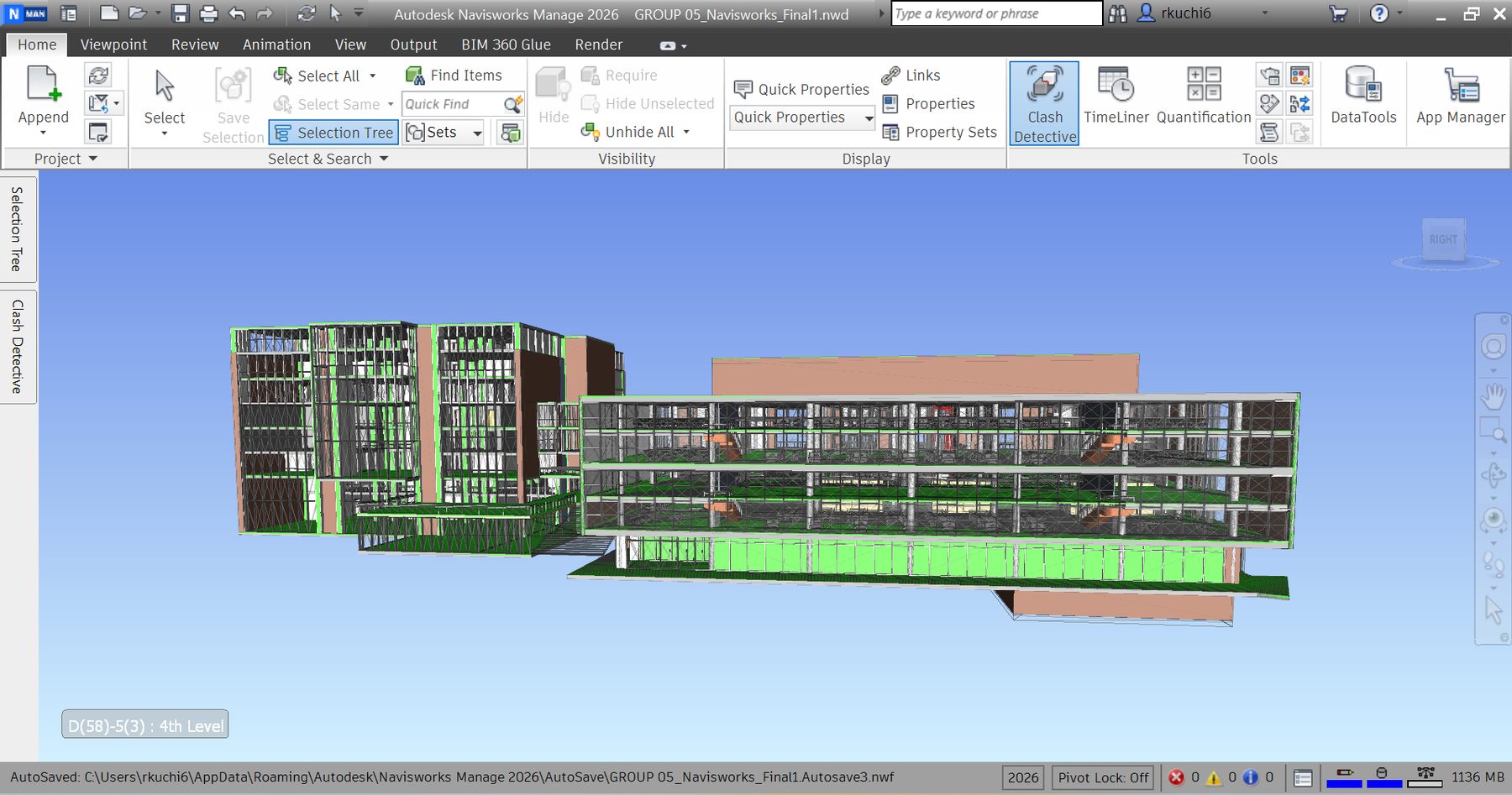
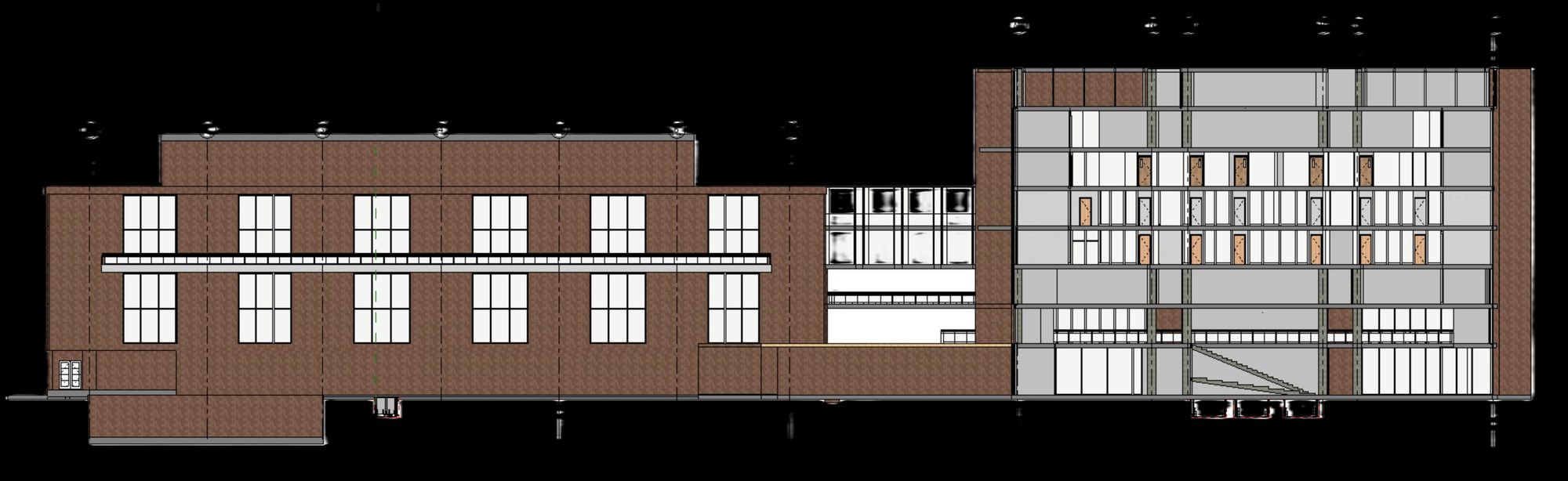
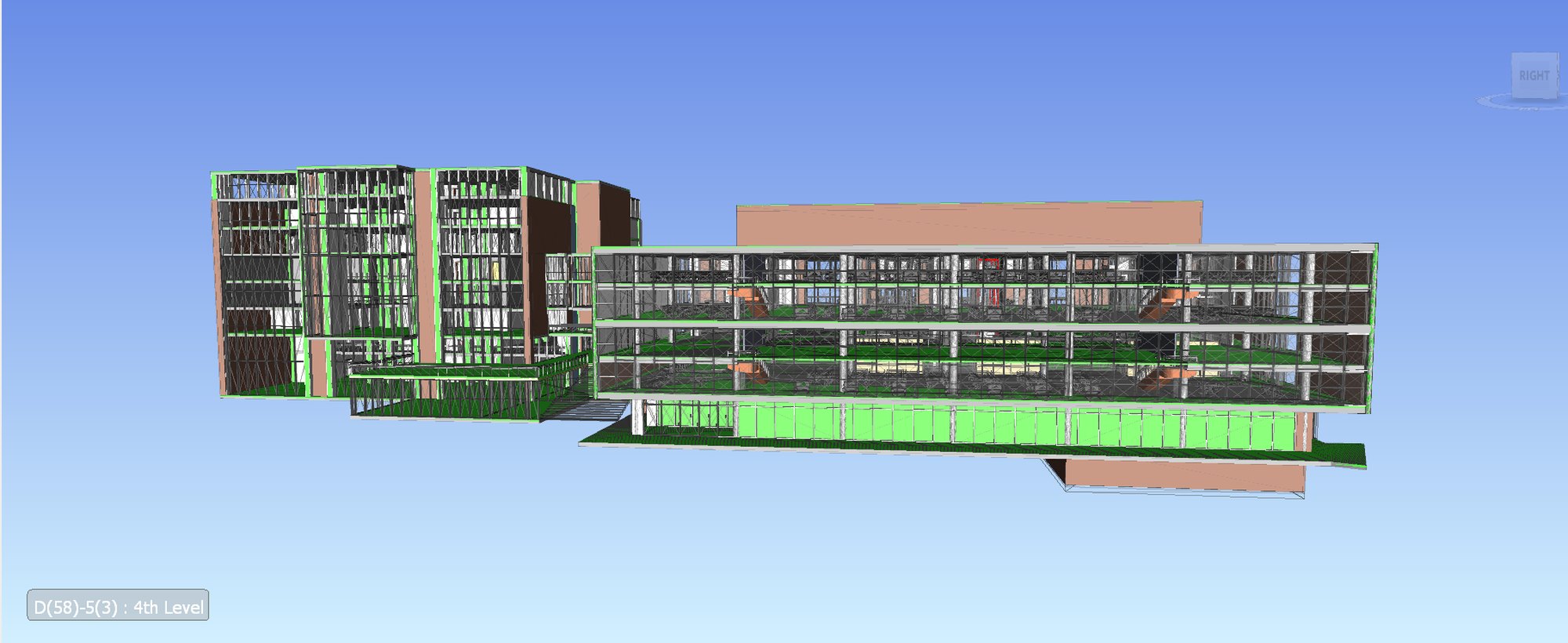
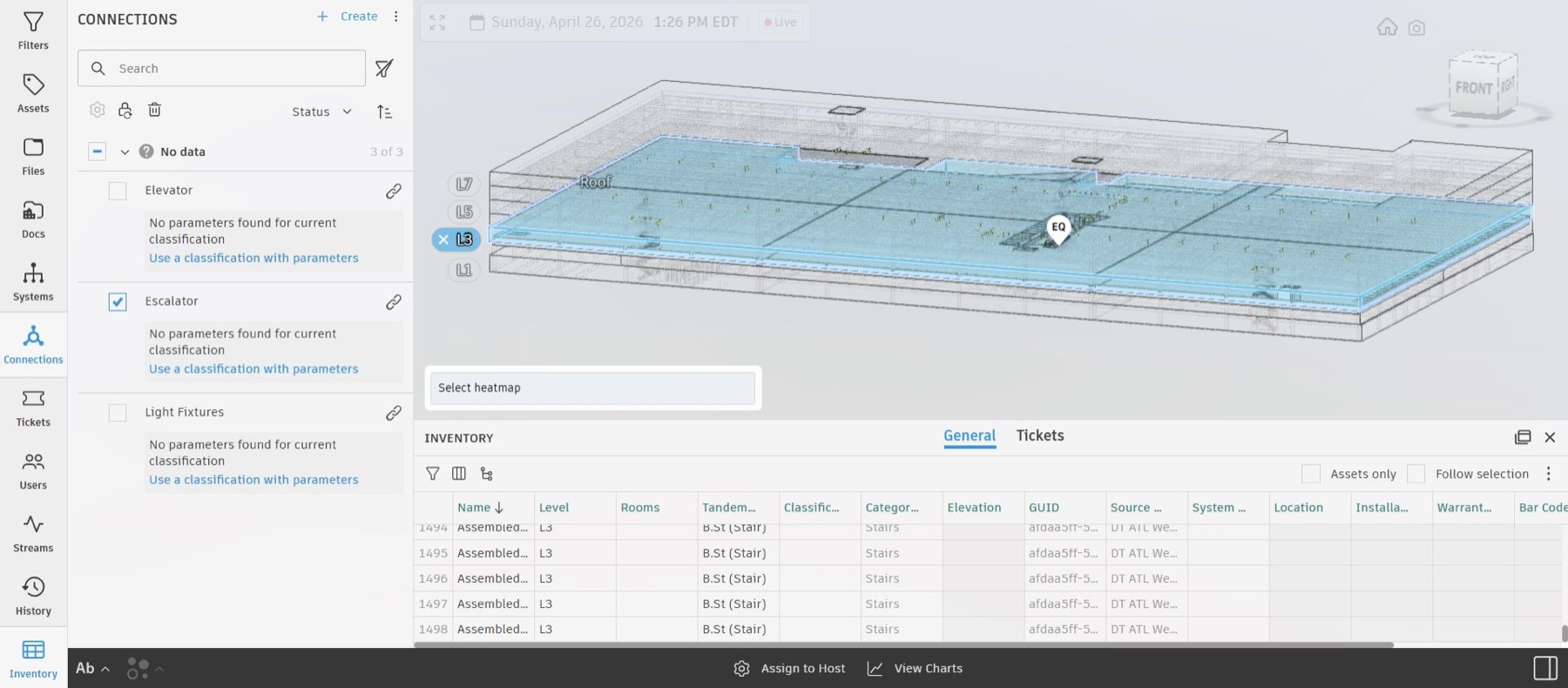
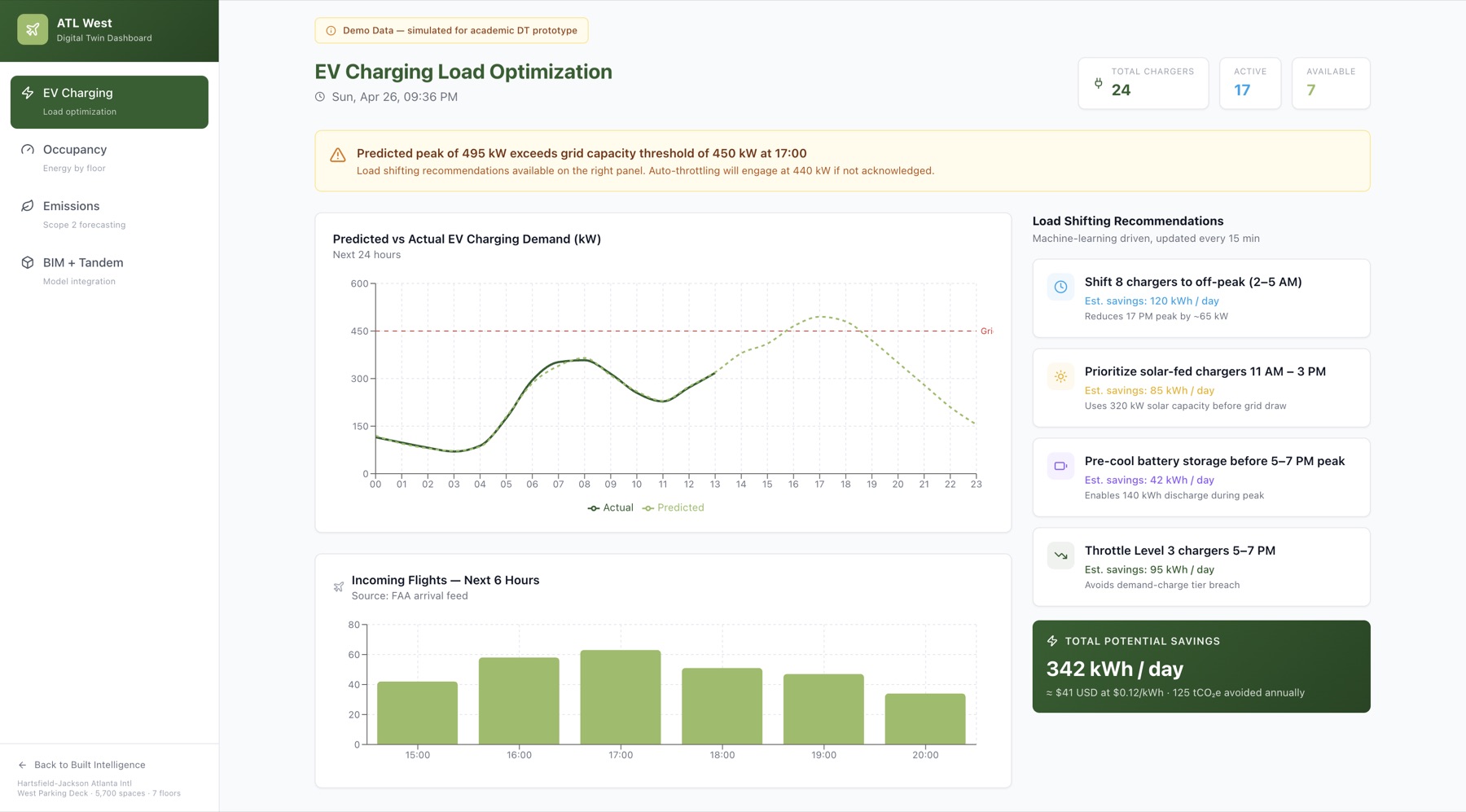
Digital twin framework for the West Parking Garage at the world's busiest passenger airport, built on Autodesk Tandem — sensor data architecture, BIM-to-operations flow, and condition monitoring in a working dashboard.

150 MW

Hyperscale data centre, Atlanta

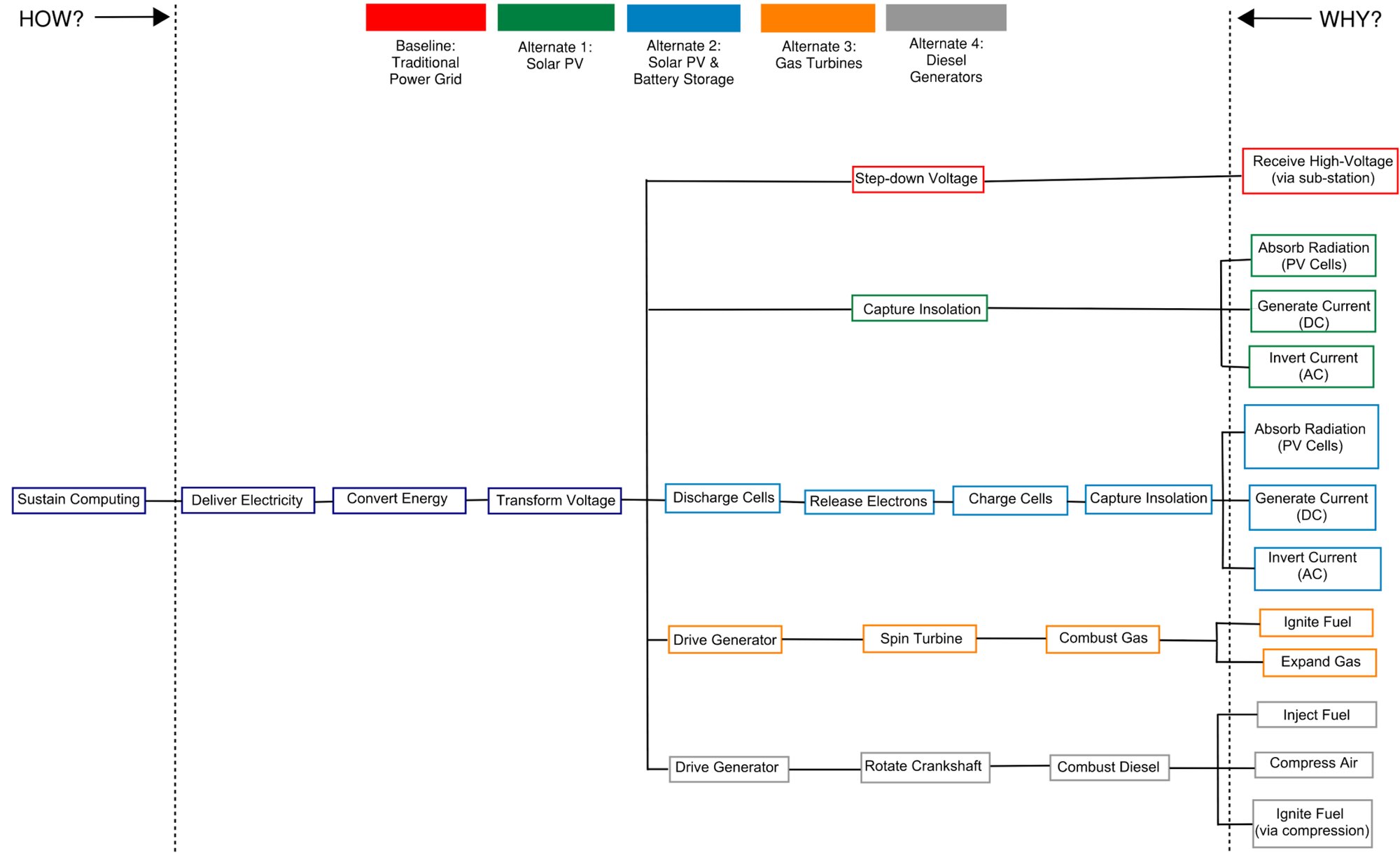
Value engineering of power infrastructure across four supply alternatives — solar PV, PV with battery storage, on-site gas turbines and diesel — against a grid baseline, with life-cycle cost and sensitivity analysis.

IGLC 34

Peer-reviewed research, Singapore

Seventeen non-residential projects across four delivery methods, compared through a normalised Uncertainty Schedule Delay Index built from publicly verifiable disruption records. Published in the Scopus-indexed proceedings.

In production

Multi-entity governance system

Role-based permission, record-level visibility and enforced immutability of closed periods, running live across eighty leased units in twelve buildings held by several distinct owners, including undivided co-ownership.

Why this perspective

Law and engineering, not one or the other

More than ten years of practice in contract structuring, risk allocation and corporate governance, combined with a Master of Science in Building Construction and Facility Management, Technology concentration, from Georgia Tech.

Peer-reviewed, not asserted

Co-authored research on schedule delay across delivery methods, accepted without amendment and published in the Scopus-indexed proceedings of IGLC 34.

Built, not only specified

The information governance controls described here run in production across a multi-entity portfolio — permissions, record-level rules and enforced immutability of closed periods.

Applied validation

Methodology is refined by contact with real projects. Selected engagements — information governance assessment, risk allocation review across delivery methods, BIM execution planning, construction-to-operations continuity strategy — serve as validation pilots for the frameworks published here, and what they surface is folded back into the next revision. How this work is structured.